clinical Psychology
neuropsychology
forensic psychology
Welcome to my academic space. I’m a master’s student in psychology at Maastricht University in the Netherlands, with a particular interest in clinical psychology, neuropsychology, and forensic psychology. Here, I share insights from my studies, reflections on research, and resources for anyone curious about the human mind. Take a look around and explore with me..
Contemporary Clinical Psychology, Neuropsychology & Forensic Research
The gallery showcases selected research projects, educational resources, and academic life in the Netherlands.



Forensic Psychology Researcher
Neuropsychology and Research
A psychology student at Maastricht University, combining a passion for neuropsychology with clinical research. She is expanding her knowledge of forensic psychology while creating educational resources and science-based content.
Explore the Fascinating Workings of the Human Mind
Explore the Fascinating Workings of the Human Mind.

Neuropsychology in Clinical Practice
How can research into the brain help improve everyday life? At Maastricht University, neuropsychology researchers investigate the connections between brain function, behaviour, and well-being. Current research includes developing assessment tools, evaluating rehabilitation approaches, and understanding why recovery after a brain injury differs between individuals.
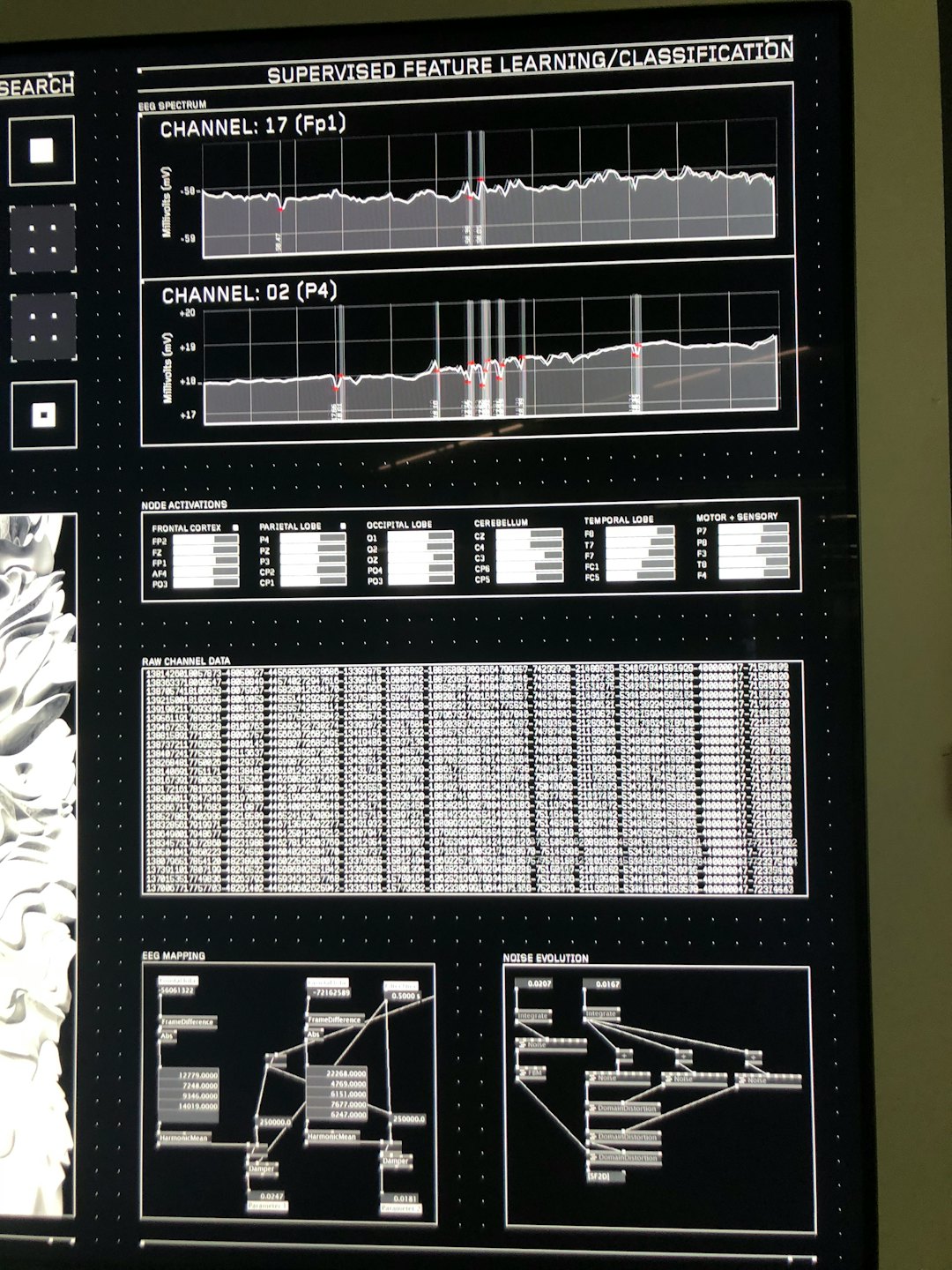
One particularly interesting direction is mobile brain–body imaging. Researchers combine recordings of brain activity, muscle activity, and body movements to study people while they move in realistic environments. This work aims to improve our understanding of movement difficulties and inform future assessment and rehabilitation strategies. Learn more about Maastricht University’s research.
As a psychology student, I am interested in how these approaches can connect scientific knowledge with individual needs. I hope to explore how neuropsychological research can contribute to more effective assessment, personalised support, and greater independence in everyday life..

Perspectives on Forensic Psychology
From Brain Science to Better Care
How do investigators decide whom to believe—and what might lead them to the wrong conclusion? My interest in forensic psychology centres on these questions, exploring how memory, attention, and expectations influence decisions within the justice system.
Could listening reveal more than watching?
Research reported by the University of Portsmouth in September 2025 offers a surprising finding. In an experiment involving 120 participants, people who only heard a mock suspect’s interview distinguished truth from deception more accurately than those who both watched and listened: 61.7% compared with 35%. The audio-only group also produced more—and better-quality—follow-up questions. These findings suggest that visual information can sometimes distract interviewers, although one controlled experiment does not establish a reliable method for detecting lies in real investigations. Read the research summary.
Even experts need to question their assumptions
A paper published in 2024, co-authored by Maastricht University researcher Henry Otgaar, examines how legal psychologists can be influenced by irrelevant information, confirmation bias, and the side that appointed them. The authors recommend considering alternative explanations and making expert reports more transparent and scientifically grounded. Explore the paper.
A question worth thinking about
Imagine that an investigator hears someone described as “the main suspect” before reviewing their statement. Would the same pauses, uncertainty, or missing details seem equally suspicious if that person had been introduced as a witness?
This is the kind of question I hope to explore through my studies: how can we examine behaviour without allowing an initial impression to determine the conclusion? I am particularly interested in how researchers and practitioners across Europe can share evidence-based approaches to interviewing, evaluate the limits of psychological profiling, and support fairer investigative decisions.

Online Psychology Education
Understanding Mental Health Through Research
Explore a curated selection of educational resources and research articles that make mental health science more accessible. These materials offer starting points for students building their knowledge and researchers exploring topics beyond their specialism.
Anxiety and Related Disorders — Noba
Written by David H. Barlow and Kristen K. Ellard, this educational module explores how everyday anxiety differs from anxiety disorders. It introduces biological and psychological vulnerabilities, key clinical features, and questions for further learning.
Read the learning module.
Introduction to Psychology — The Full Noba Collection
A free collection of expert-authored learning modules covering topics across psychology. It provides a useful foundation for exploring cognition, emotion, behaviour, and psychological disorders.
Explore the collection.
**Depression:Understanding Mental Health Through Research

Psychology in Maastricht & Europie
Connect with researchers, students, and professionals. Explore my educational resources and get in touch across the Netherlands, Belgium, and France.
Blog
This section features psychology blog posts exploring research, personal reflections, and educational resources.
-

Jak wygląda studiowanie psychologii na Maastricht University?
Ten akapit służy jako wprowadzenie do twojego posta na blogu. Zacznij od omówienia głównego tematu…
-
-
Wprowadzenie do neuropsychologii klinicznej: podstawowe pojęcia
Ten akapit służy jako wprowadzenie do twojego posta na blogu. Zacznij od omówienia głównego tematu…